

For visitors exploring Catalonia, it is an easy addition to a stay in Sitges. You can spend a relaxed day travelling through vineyard-covered hills, visiting a family-run winery, enjoying a long lunch and tasting wines made from grapes that are deeply connected to the landscape.
Discovering the Penedès wine region
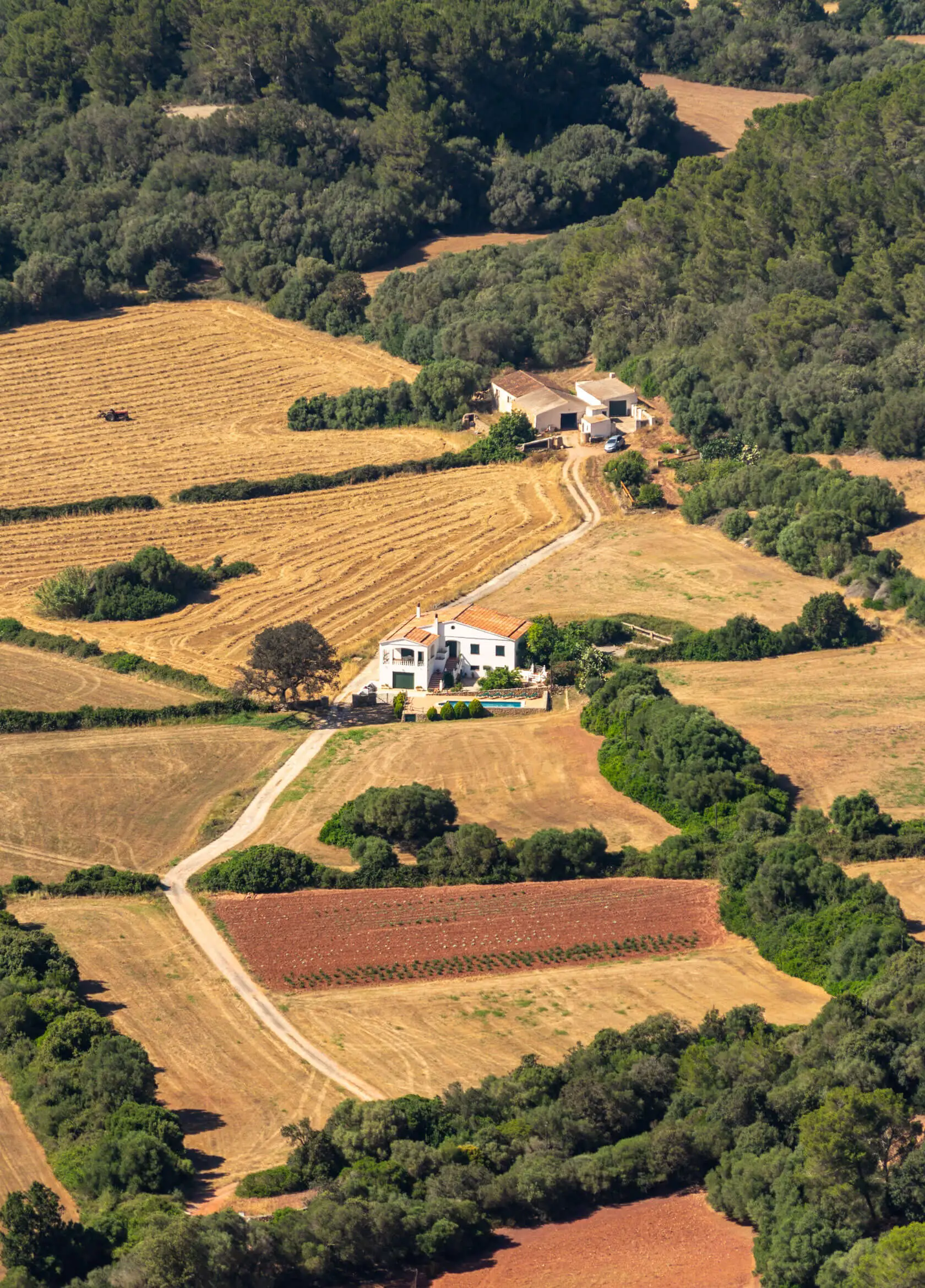
Wine has been produced here for centuries, and the region has developed a distinctive identity around both still wines and traditional-method sparkling wines. The best-known of these is Cava, although Penedès is increasingly recognised for a much broader range of high-quality wines.
The landscape itself is part of the experience. Vineyards follow the contours of the hills, often framed by the mountains of the Catalan interior. Small roads connect wineries and villages, making the area particularly enjoyable to explore by car.
For international visitors from the UK, US, Germany, France, Italy, the Netherlands, Belgium and the Nordic countries, Penedès offers a different perspective on Catalonia: quieter and more rural than Barcelona, but still very close to the Mediterranean lifestyle that makes the region so appealing.
Cava and the wines of Penedès
Cava is a traditional-method sparkling wine that has become one of Spain’s best-known wine styles. Much of its history is closely connected with the Penedès, particularly the area around Sant Sadurní d’Anoia, which is widely regarded as the heart of Cava production.
The region is also home to a growing diversity of still wines. Indigenous varieties such as Xarel·lo, Macabeo and Parellada have long been important to local winemaking, while other grape varieties are increasingly used to create fresh, expressive and contemporary wines.
Xarel·lo is particularly interesting for visitors who want to understand the character of Penedès. It can produce wines with freshness, structure and a distinctive Mediterranean personality, and many local producers are exploring the grape in new ways.
The result is a wine culture that combines tradition with experimentation. Alongside historic cellars, you will find modern producers focusing on organic farming, native varieties, lower-intervention winemaking and a stronger connection between wine and terroir.
Penedès wineries and wine tasting
Rather than simply visiting a large commercial cellar, consider choosing a winery experience that allows you to understand how the wine is produced. Tours may take you through vineyards and cellars before finishing with a tasting accompanied by local food.
The experience can vary enormously from one winery to another. Some estates are grand and historic, while others are intimate and contemporary. Some focus on Cava; others concentrate on still wines, native grapes or organic and biodynamic viticulture.
If you are driving, it is worth planning your visits in advance and limiting the amount you taste at each stop. Alternatively, private drivers and organised wine tours make it possible to enjoy a full day without worrying about driving afterwards.
A particularly appealing approach is to visit two contrasting producers rather than trying to see as many wineries as possible. One might introduce you to traditional Cava production, while another could offer a more modern interpretation of Penedès wine.
This slower approach leaves time to appreciate the vineyards, talk to the producers and enjoy lunch.
Sant Sadurní d’Anoia and the heart of Cava country
For anyone interested in sparkling wine, Sant Sadurní d’Anoia deserves a place on the itinerary.
The town is closely associated with Cava and is surrounded by wineries and vineyards. Its wine heritage is visible throughout the area, making it a natural starting point for discovering the sparkling-wine tradition of the Penedès.
Some of the region’s most famous producers have historic cellars here, while smaller producers provide a more personal introduction to the local wine culture.
A visit to Sant Sadurní can easily be combined with a winery tour and lunch elsewhere in the region. There is no need to turn the day into a race between tasting rooms. The pleasure of Penedès lies in taking your time.
For travellers staying near Sitges, this is also a good example of how close the region is to the coast. Within a relatively short drive, the scenery changes from Mediterranean beaches and coastal villages to vineyards and rural Catalonia.
Villages, food and the Penedès landscape
Wine is only part of the appeal of the Penedès wine region. The surrounding countryside rewards travellers who enjoy food, architecture and small-town life.
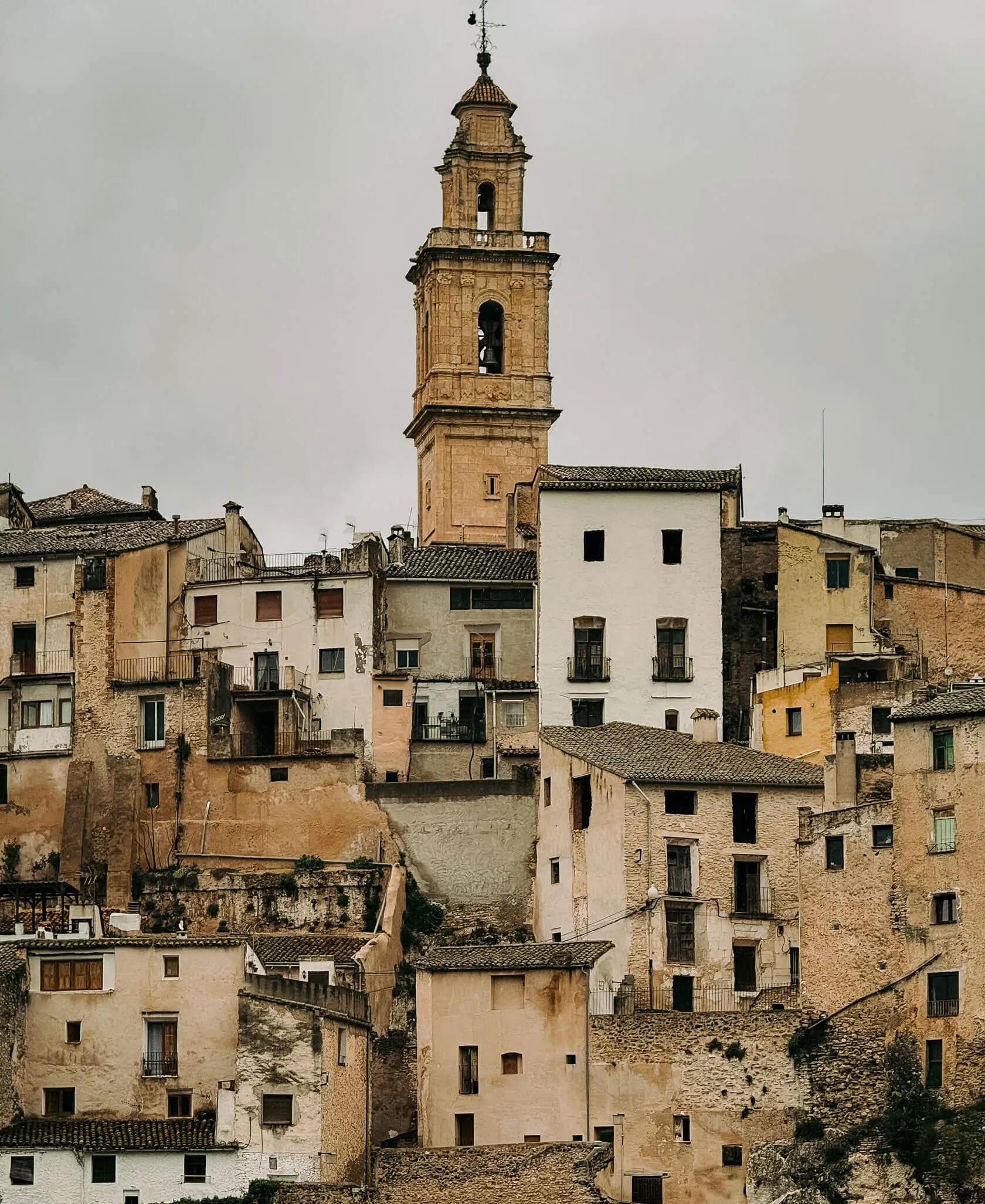
Villages and towns such as Vilafranca del Penedès provide an opportunity to see another side of the region. Vilafranca is an important centre for Penedès wine culture and a useful place to combine wine-related visits with cafés, restaurants and local history.
Food is naturally an important part of the experience. Penedès is a region where wine and cuisine belong together, and a winery visit is often best followed by a long Catalan lunch rather than another tasting.
Look for restaurants that showcase local ingredients and traditional dishes, alongside contemporary Catalan cooking. The combination of regional wine, good food and an unhurried lunch captures the lifestyle of the area particularly well.
The countryside is equally important. Between vineyard visits, take time to stop at viewpoints, walk through the vines or simply enjoy the changing landscape. The Penedès is not a destination that needs to be rushed.
Visiting Penedès from Sitges
One of the advantages of staying in Sitges is the ability to combine coastal life with easy access to the countryside.
A day in the Penedès can begin with breakfast near the Mediterranean before heading inland towards the vineyards. After visiting a winery, you might stop for lunch, explore Vilafranca del Penedès or another local village, and then return towards the coast.
For guests who prefer a quieter base, Casa Brisa, a boutique guest house for gay men only near Sitges, provides a relaxed setting from which to explore both the Mediterranean coast and the nearby wine country. Its location near the Garraf landscape makes it possible to combine a day among the vineyards with the beaches, restaurants and LGBTQ+ life of Sitges.
The contrast is part of what makes the area special. In a single trip, you can move from the lively streets and beaches of Sitges to quiet vineyard roads without travelling far.
If you are planning a wine-focused day, check winery opening times and book tastings in advance. Many wineries operate by appointment, and some experiences have limited availability. A car is generally the most flexible option, although private transfers or organised tours can be a good alternative.
Most importantly, leave some space in the itinerary. The best Penedès experiences are rarely about seeing everything. They are about discovering a beautiful landscape, tasting something made locally and allowing the day to unfold naturally.
Why visit the Penedès wine region?
The Penedès wine region is an ideal destination for travellers looking beyond the traditional Barcelona and Sitges itinerary.
It offers wine without pretension, beautiful countryside without long journeys and a strong sense of place that connects vineyards, food and Catalan culture.
Whether your interest is Cava, indigenous grape varieties, organic wine, gastronomy or simply spending a day in the countryside, Penedès offers plenty to discover.
And because it is so close to Sitges, you do not need to choose between the Mediterranean and the vineyards. You can enjoy both.
Plan your Penedès experience
If you are staying near Sitges, consider adding a day in the Penedès to your itinerary. Explore our See & Do guide for more ideas on wine, beaches, culture, nature and experiences around Casa Brisa.



0 Comments